DPRK-Linked macOS Malvertising Uses Fake Updates to Deliver Crypto-Stealing Malware
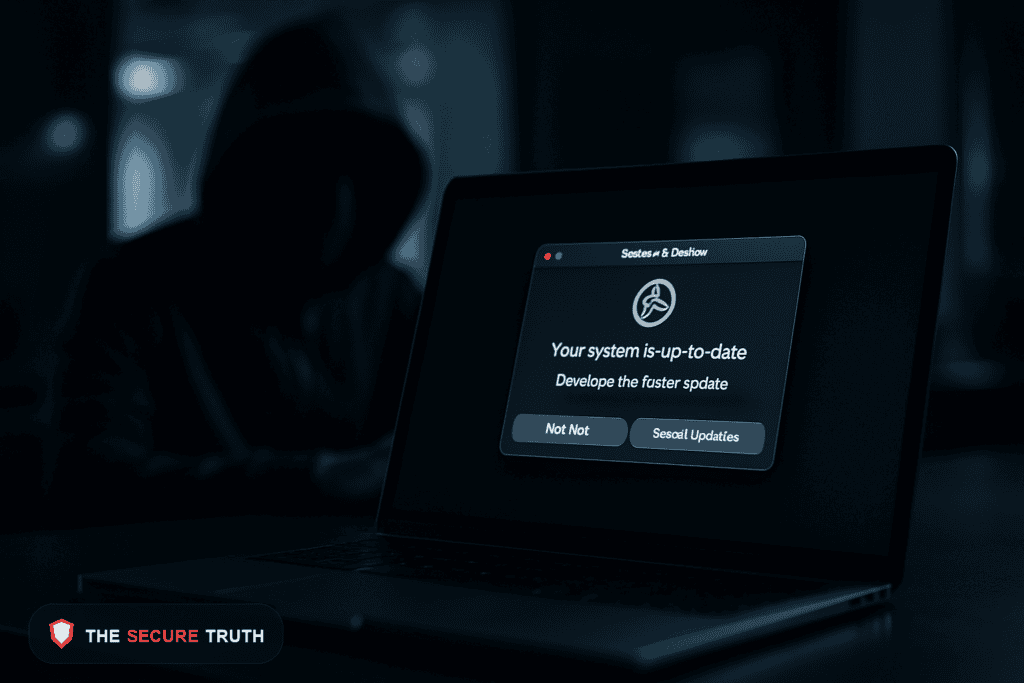
A North Korean-linked cyber espionage group is conducting a macOS malvertising campaign involving fake software update screens to deliver crypto-stealing malware. This campaign is part of an evolution of the long-standing Contagious Interview operation and uses malicious web redirects to deceive victims.
What happened
Researchers have identified a sophisticated malvertising campaign targeting macOS users that is attributed to threat actors with ties to North Korea. The attack works by redirecting victims to fake web pages that display a full-screen macOS software update interface, which is entirely fabricated. The fake update prompt lures users into installing malware designed to steal crypto assets. This iteration continues the activity associated with the Contagious Interview campaign known for its persistent targeting and covert techniques.
The campaign notably relies on social engineering via realistic update notifications to trick users into compromising their systems. The malicious actors use web-based redirects to funnel victims toward these fraudulent update pages rather than relying on direct phishing or exploit kits.
Why it matters
This campaign illustrates an ongoing threat against macOS users, undermining the perception that the platform is less vulnerable to sophisticated malware attacks. By leveraging realistic-looking software update screens, the threat actors exploit user trust in system notifications, increasing the likelihood of successful infection. The focus on crypto-stealing malware further highlights the financial motivations behind the attack.
The use of malvertising and fake updates as infection vectors represents a refined tactic in the Contagious Interview campaign, signaling a need for heightened vigilance around unexpected system prompts, especially on macOS platforms where such attacks are relatively less common compared to other operating systems.
What security teams should do
Security teams should educate macOS users about the risks of unsolicited update prompts appearing outside of the official App Store or system update channels. Monitoring web traffic and blocking known redirect domains used by these campaigns can help reduce exposure.
Additionally, incident responders should inspect endpoints for signs of compromise related to crypto-stealing malware and ensure malware detection tools are updated to recognize this threat. Confirming software updates only through verified system preferences menus remains a best practice to avoid falling victim to such social engineering tactics.
Key technical details
The attack vector begins with malvertising that redirects users to fraudulent websites mimicking legitimate macOS update interfaces. These fake update screens occupy the entire display to conceal the browser UI, enhancing believability. When users interact with these prompts, malware payloads associated with crypto theft are installed.
This campaign is linked to an ongoing series of operations under the name Contagious Interview, known for employing stealth and social engineering. The focus on full-screen simulated system updates is a defining feature of this new iteration, aimed at bypassing user skepticism through visual deception.
Affected organizations/products
The campaign targets macOS users who encounter these malicious redirects via malvertising on the web. Specific organizations or sectors impacted were not disclosed.
Source attribution
https://thehackernews.com/2026/07/dprk-linked-macos-malvertising-uses.html